
How to Share Profiles with Your Team Without Revealing Passwords
Social, advertising, or e-commerce teams often need to share account access with multiple team members for collaborative operation. The simplest approach is to
Social, advertising, or e-commerce teams often need to share account access with multiple team members for collaborative operation. The simplest approach is to send usernames and passwords via chat, files, or password management tools. However, the more people who have access to the login credentials, the more complicated account management becomes.
Another approach is to share pre-logged-in Browser Profiles. Team members are granted access to work directly on these Profiles instead of having to receive passwords and log in from scratch.
This is also the logic used by multi-account management tools to reduce the need for direct sharing of login credentials.
👉 Start your free InviBrowser experienceto create dedicated browser profiles and manage account access permissions for each team member.
Why is sending passwords directly to the team not the optimal approach?
When only two people are working together, sharing passwords may not cause many issues. However, as the team expands, a single account may be assigned sequentially to Media Buyers, Social Executives, Account Managers, or new hires.

At this point, login credentials are likely to appear in many places:
-
Private message.
-
Group chat.
-
Excel or Google Sheets file.
-
Internal note.
-
Multi-user password manager.
The problem is not just that passwords could be compromised. The team also struggles to determine:
-
Are you storing login credentials?
-
Do I still have usage rights?
-
When do I need to change my password?
-
Where have the passwords been shared?
Therefore, as the number of members and accounts grows, managing access permissions instead of directly sharing login credentials will become increasingly important.
What is the difference between sharing a Browser Profile and sharing a password?
This is the most important point when building an account management process for the Team.
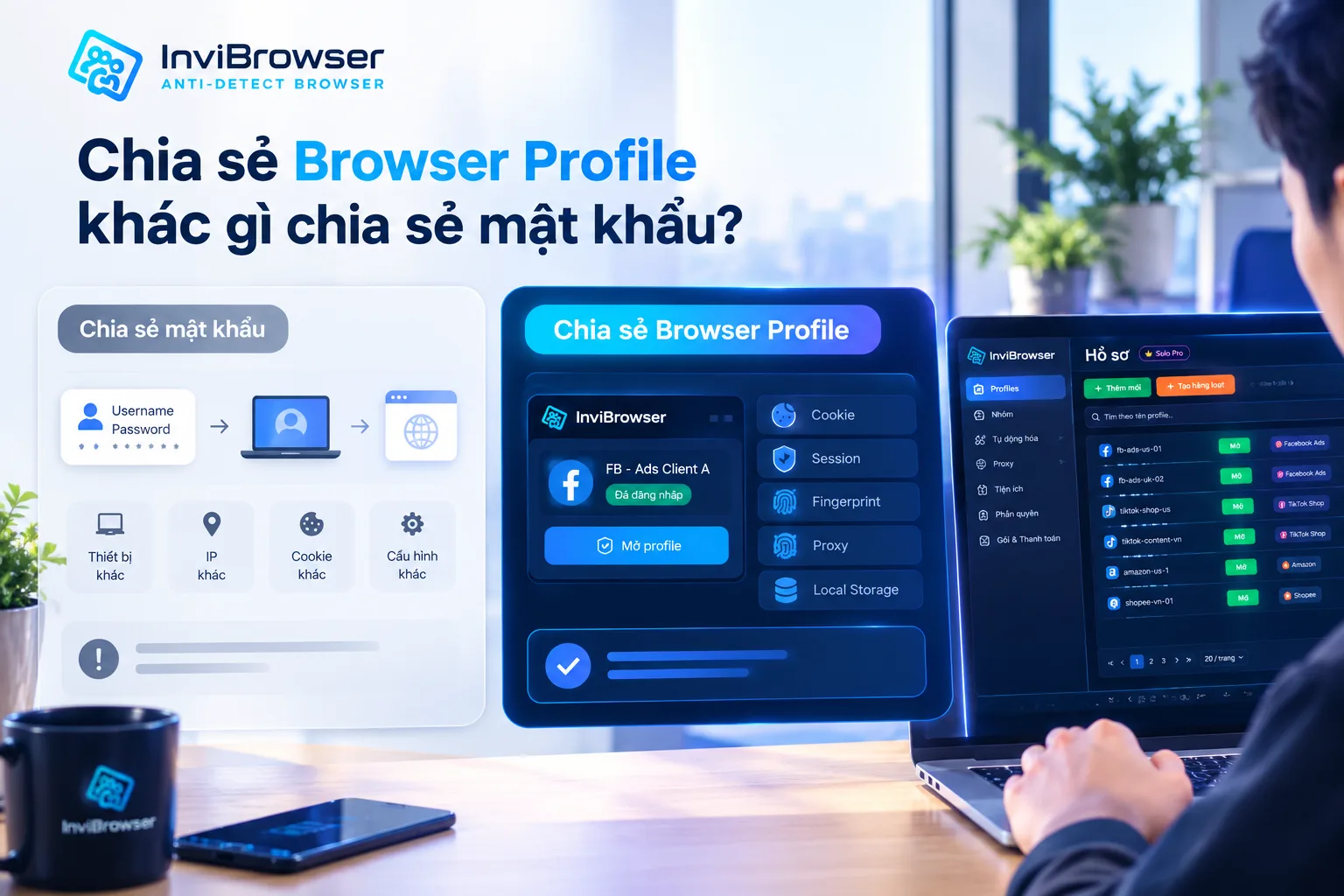
Method 1: Share the password
The usual process is:
Send username + password → Member logs in on their device → Website creates a new login session.
Each member can use:
-
Other browsers.
-
Other devices.
-
Different IP.
-
Other Cookies.
-
Configure other browsers.
This means that every time there is a handover, the recipient almost has to rebuild the access environment from scratch.
Method 2: Share Browser Profile
With Browser Profile, accounts can be logged in and maintain sessions within an isolated environment.
A profile typically contains the following components:
-
Cookie.
-
Session.
-
Proxy.
-
Browser fingerprinting.
-
Local Storage and related browser data.
Managers can share Profiles or Profile access rights with team members instead of sending passwords.
When opening the assigned Profile, members can continue working in the previously set up environment if the login session is still valid.
Simply put:
Do not share passwords → provide a pre-configured working environment.
👉 Learn more about how to create and manage Browser Profiles on InviBrowser.
Why is Session important when sharing accounts?
After you log in to a website, the system usually creates a login session to confirm that the user has been authenticated.
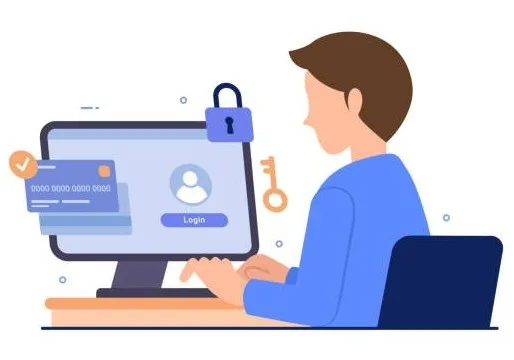
The browser stores related data, among which Cookies and Sessions play a crucial role in maintaining login status.
This is why you don't have to re-enter your password every time you navigate to a different page while logged into the same account.
Some account sharing solutions take advantage of this very mechanism: instead of providing a password, the team operates via an existing login session.
However, it should be noted that the Session may expire or be revoked by the website. In that case, the account owner may need to log in again.
Which teams should use the Profile sharing method?
Facebook Ads and TikTok Ads Team
Agencies often need to manage multiple client accounts simultaneously.
Leaders can create profiles for each client and assign them to the appropriate media buyer in charge.
As a result, staff do not need to keep the entire list of customer passwords.
Social Media Team
A Social Team can jointly manage:
-
Facebook.
-
TikTok.
-
Instagram.
-
X.
-
Other brand accounts.
Instead of sharing the password every time there is a change in the person managing the page or posting content, the team can set up separate profiles for each brand or platform.
E-commerce and Seller
The Seller may need to grant shop operation permissions to:
-
Customer service staff.
-
Staff post products.
-
Advertising operation personnel.
-
External agency.
Browser Profile helps separate the environments of individual stores and supports a more organized handover process.
Affiliate & MMO Team
Teams managing a large number of Profiles can allocate resources according to:
-
Campaign.
-
Account.
-
Market.
-
Operator.
As the scale grows, this organizational approach is usually easier to manage than maintaining a table containing dozens of usernames and passwords.
Manage and Share Profiles with InviBrowser
When a team has multiple members managing multiple accounts simultaneously, sharing Profiles allows switching from the following model:
"Whoever needs an account, send me the password"
sang:
“Each person will be assigned the profile corresponding to the account they are in charge of. ”
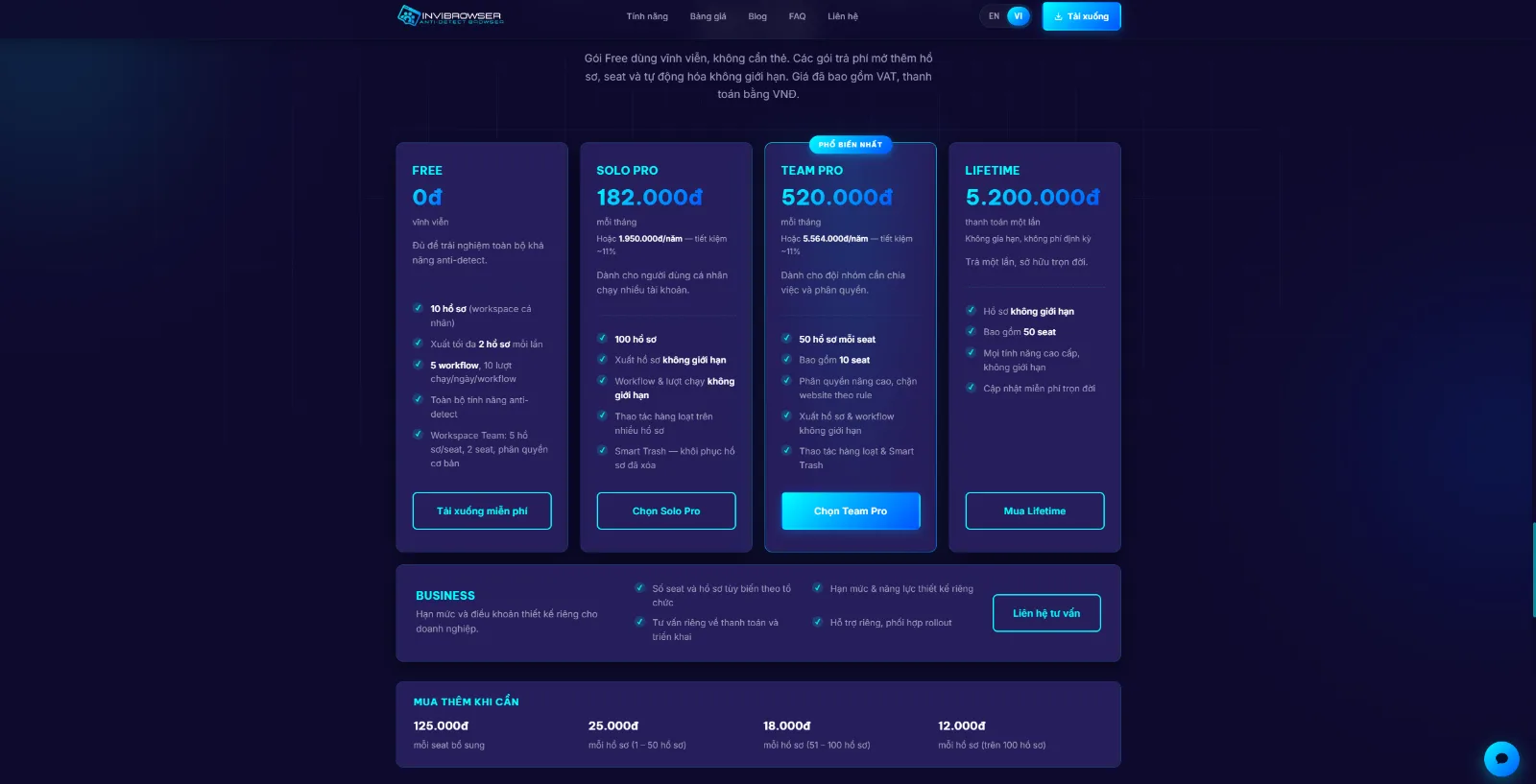
With InviBrowser, teams can combine:
-
Separate browser profiles for each account.
-
Cookies and Sessions per Profile.
-
Dedicated proxy.
-
Group and assign permissions to members.
-
Centralized management of multiple profiles.
-
Hand over the profile to the person in charge.
As a result, the team can reduce the need for direct password sharing, while also maintaining a more organized work environment as the number of accounts is expanded.
👉 Start experiencing InviBrowser
How to Share Profiles with Your Team Using InviBrowser
Step 1: Create a Browser Profile for each account
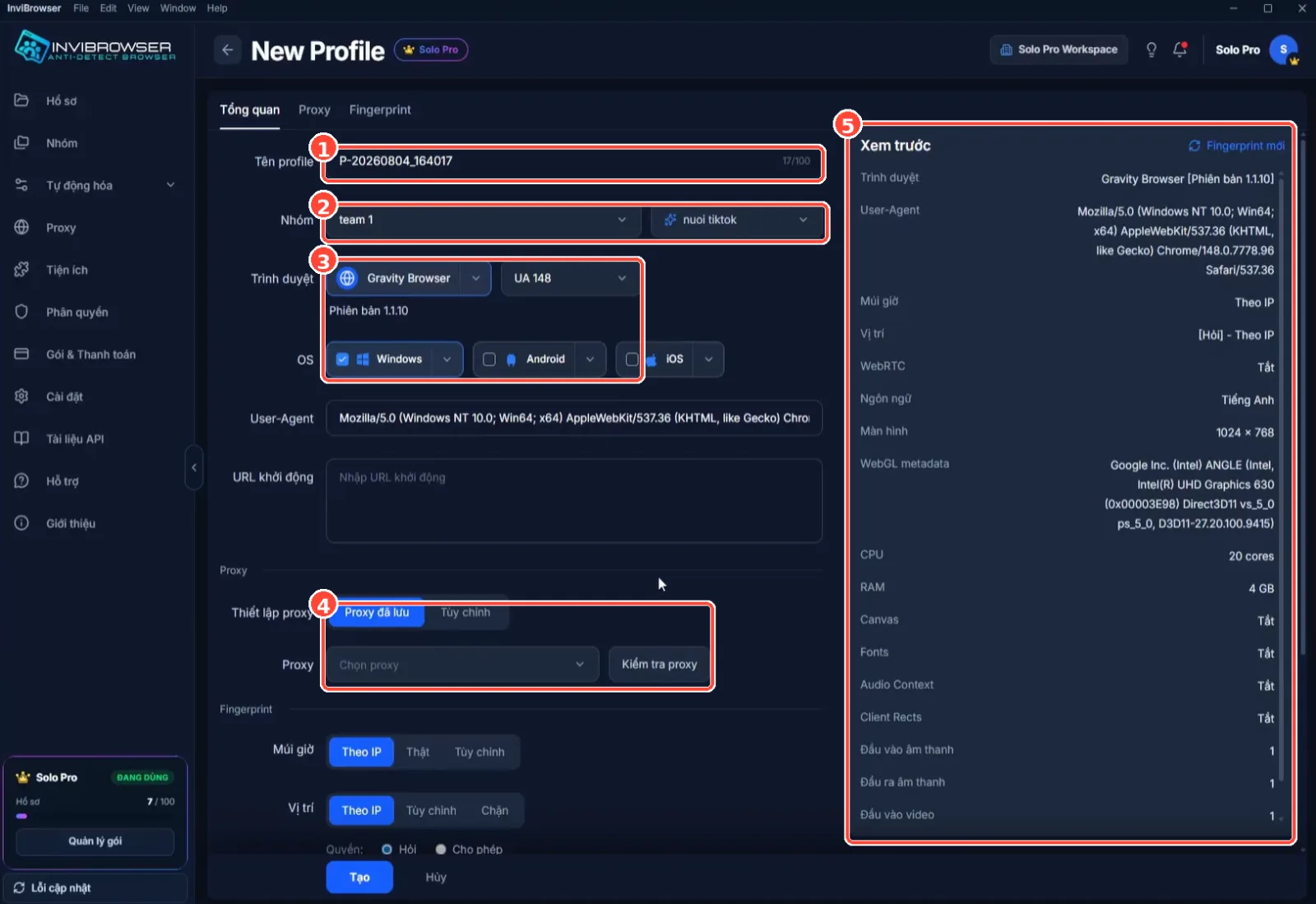
Go to Profile → click Add New to create a profile.
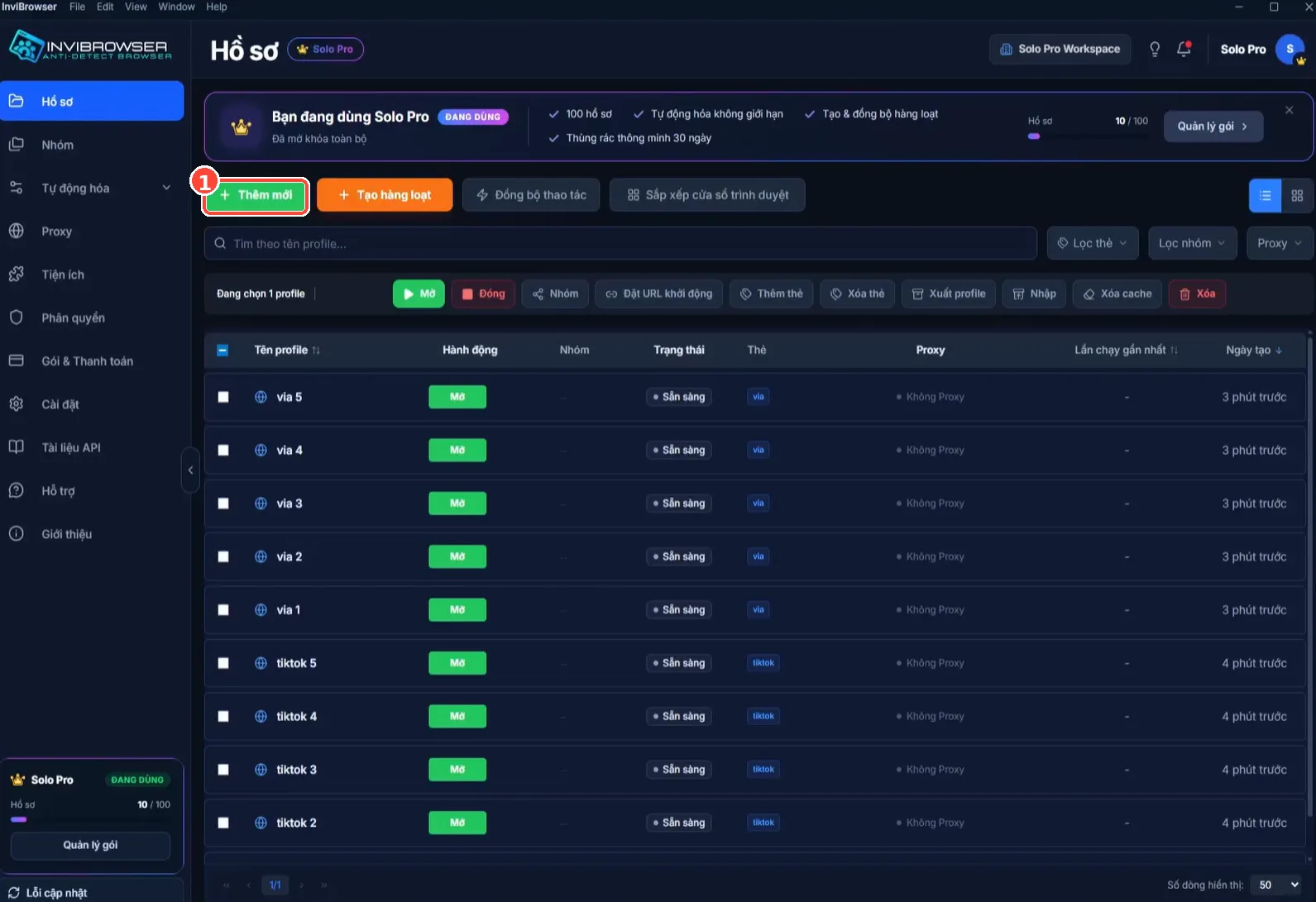
Name and Configure the Profile
Name the profile according to the account you need to manage, select the appropriate group, and keep the default browser configuration if no customization is required.
Set up Proxy and Create Profile
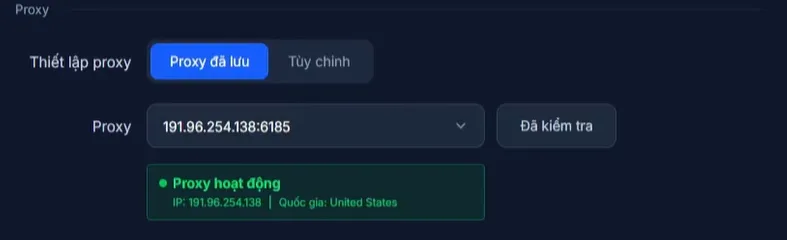
Select or enter a Proxy, then click Check proxy. Verify the Fingerprint and related information in the Preview section, then click Create to finish.
👉 View the guide to creating and managing Profiles on InviBrowser.
Step 2: The account owner logs in
Managers can log in to their accounts directly via Browser Profile.
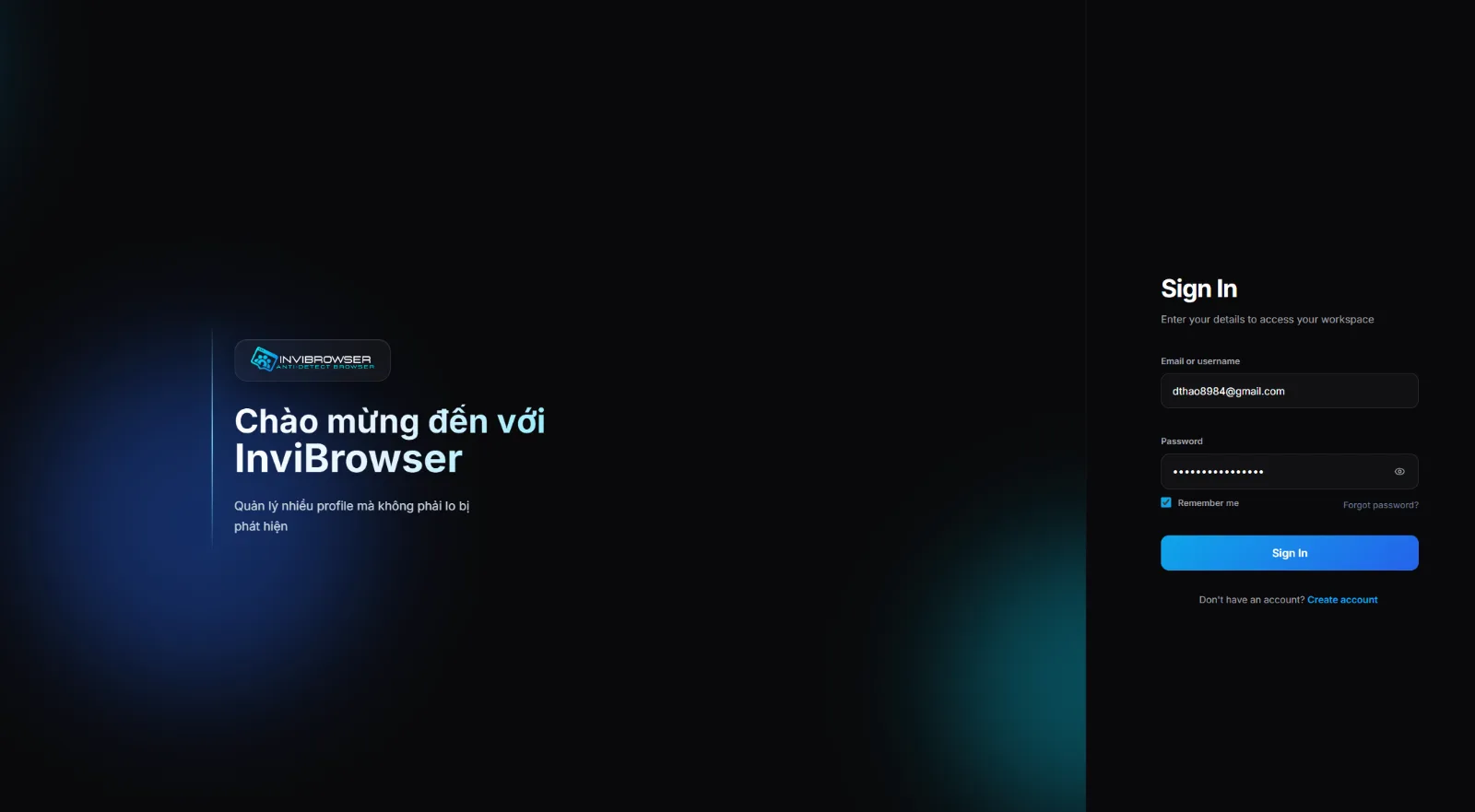
After successful login, the account's Cookie and Session are maintained within the Profile environment.
Thus, when assigning tasks to team members, the team does not necessarily have to start by sending usernames and passwords.
Step 4: Share the Profile with members who need to use it
Create Staff Account
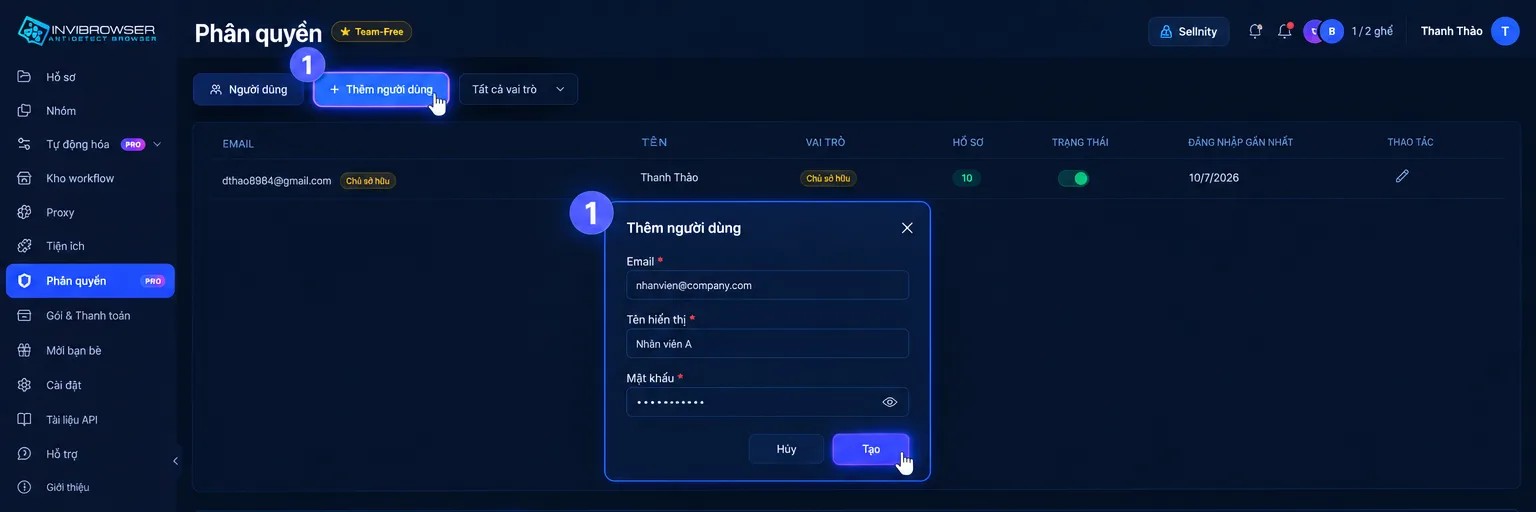
In the Workspace, go to the Permissions section → select Add user. Enter the employee's email address, display name, and create a password for them.
Set access permissions
After creating the account, select the role Member, check the required permissions such as Use Profile or Edit Profile, then click Create and Assign.

Share the Profile you need to use
Go to the Records section, select the Profile you need to assign → click Share → select the corresponding employee → click Share to complete the process.

This way, employees can work on the assigned Profiles without needing to share the login credentials of the parent account. You can also restrict permissions to prevent changes that are unrelated to work.
Step 5: Revoke or modify permissions when personnel changes occur
This is a particularly useful point for the Team.
When a team member transfers to another project or leaves the company, the Leader can adjust Profile access permissions following internal procedures, instead of having to track down where the password was shared in group chats or files.
Of course, for important accounts, the team should also combine additional measures:
-
Change your password when necessary.
-
Enable two-factor authentication.
-
Review login sessions.
-
Manage permissions directly on the target platform.
Conclusion
Sharing Profiles instead of sending passwords directly helps the team reduce the number of people who need to know login credentials, minimizes the need to re-login during handovers, and allows for clearer per-employee account management.
However, not sharing passwords does not equal absolute security. Teams still need to combine permission controls, two-factor authentication, and login session management to protect accounts.
With InviBrowser, teams can centrally organize browser profiles, proxies, and login environments, thereby establishing a more convenient and controllable account handover process.